 Snacks & SüßesBrotaufstriche
- Merkmale
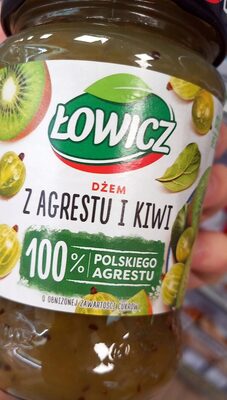
- ohne Zutatenliste
Erklärung: Woher?
Ohne Zutatenliste bei Open Food Facts: Kollagen, Süßungsmittel und vegan prüfen wir hier nicht.
Mehr Protein pro Kalorie
in allen Ketten
in Brotaufstriche
Die Besten je Sorte, foto-geprüft
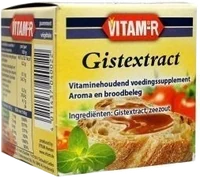
- Vitam R Hefeextrakt (125 G) MerkenVitam-rFür 20 g Protein: 156 statt 5720 kcal
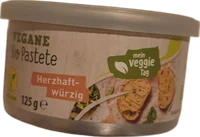
- Vegane Bio Pastete Herzhaft-würzigMein Veggie Tag · 125 gFür 20 g Protein: 251 statt 5720 kcal
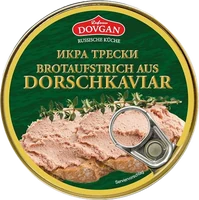
- Brotaufstrich aus DorschkaviarDovgan · 160 gFür 20 g Protein: 327 statt 5720 kcal
Fotos: Open Food Facts, bearbeitet, CC BY-SA 3.0
je 100 g
- Protein
- 0,5 g
- Energie
- 143 kcal
- Zucker
- 35 g
Kalorien je 100 g
- Protein2 kcal
- Fett5 kcal
- Kohlenhydrate140 kcal
- davon Zucker140 kcal
Zusammen 147 kcal, die Packung nennt 143 kcal. Die Summe weicht ab, weil Packungen runden und manche Zutaten weniger kcal haben.
So entstehen 1 %
0,5 g
Protein in 100 g
1 %
der Kalorien aus Protein
- Protein
- Fett
- Kohlenhydrate
- davon Zucker
- Wasser und anderes
Fett hat 9 kcal je Gramm, Protein und Kohlenhydrate 4, Wasser keine.
Ohne Platz
unter 1 g Protein je 100 g
1,0 von 10geschätzt
Der Zucker zieht ab: 24,5 g je 100 kcal, ganz als zugesetzt gezählt.
Abzug−2,0Zucker · 24,5 g je 100 kcal, ohne auswertbare Zutatenliste ganz gezählt
Ohne auswertbare Zutatenliste zählt aller Zucker als Abzug. Der echte Wert kann höher sein.
Geschätzt aus Menge, Protein, Ballaststoffen und Zucker. Nicht gemessen.
NährwerteZucker in Würfelzucker
Nährwerte
Auf einen Blick · je 100 gje Portion (10 g)für 5 g Proteinfür 10 g Proteinfür 15 g Proteinfür 20 g Proteinfür 25 g Proteinfür 30 g Proteinfür 35 g Proteinfür 40 g Proteinfür 45 g Proteinfür 50 g Proteinfür 55 g Proteinfür 60 g Protein
Erklärung: Woher die Bezugswerte?
1 Würfelzucker = 3 g: Region Hannover, Zuckerliste.
Gerechnet von parelo, auf ganze Würfel gerundet.
- Energie143 kcal 598 kJ14 kcal 60 kJ1.430 kcal 5.983 kJ2.860 kcal 11.966 kJ4.290 kcal 17.949 kJ5.720 kcal 23.932 kJ7.150 kcal 29.916 kJ8.580 kcal 35.899 kJ10.010 kcal 41.882 kJ11.440 kcal 47.865 kJ12.870 kcal 53.848 kJ14.300 kcal 59.831 kJ15.730 kcal 65.814 kJ17.160 kcal 71.797 kJ143 kcal 598 kJ, Brotaufstriche in allen Ketten, wenig kcal zuerst
- Protein0,5 g0,1 g5,0 g10 g15 g20 g25 g30 g35 g40 g45 g50 g55 g60 g0,5 g, Brotaufstriche in allen Ketten, viel Protein zuerst
- Fett0,5 g0,1 g5,0 g10 g15 g20 g25 g30 g35 g40 g45 g50 g55 g60 g0,5 g, Brotaufstriche in allen Ketten, wenig Fett zuerst
- davon gesättigt0,1 g0,0 g1,0 g2,0 g3,0 g4,0 g5,0 g6,0 g7,0 g8,0 g9,0 g10 g11 g12 g0,1 g
- Kohlenhydrate35 g3,5 g350 g700 g1.050 g1.400 g1.750 g2.100 g2.450 g2.800 g3.150 g3.500 g3.850 g4.200 g35 g
- davon Zucker35 g3,5 g350 g700 g1.050 g1.400 g1.750 g2.100 g2.450 g2.800 g3.150 g3.500 g3.850 g4.200 g35 g, Brotaufstriche in allen Ketten, wenig Zucker zuerst
- Ballaststoffe5,0 g0,5 g50 g100 g150 g200 g250 g300 g350 g400 g450 g500 g550 g600 g5,0 g, Brotaufstriche in allen Ketten, viel Ballaststoffe zuerst
- Salzkeine Angabekeine Angabekeine Angabekeine Angabekeine Angabekeine Angabekeine Angabekeine Angabekeine Angabekeine Angabekeine Angabekeine Angabekeine Angabekeine Angabekeine Angabe
Portion laut Packung (Open Food Facts)
Quelle: Open Food Facts, Stand 17.11.2026 · kJ und Portion umgerechnet von parelo · Fehler melden
Mehr Protein pro Kalorie
Brotaufstriche
Worauf kommt's dir an?
Mehr Brotaufstriche
Zur Rangliste: Brotaufstriche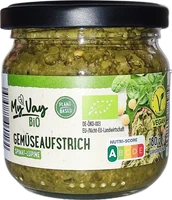
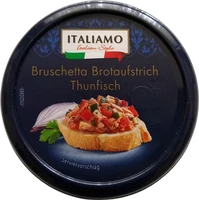
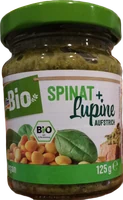
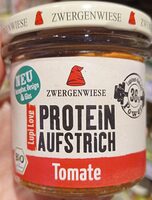

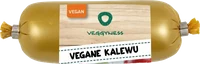

Fotos: Open Food Facts, teils bearbeitet, CC BY-SA 3.0 · Bilder: reformhaus.de, globus.de
Mehr entdecken
Kurz gefragt
Wie schätzt parelo die Sättigung?1,0 von 10
Sättigung: 1,0 von 10 · geschätzt.
Ohne auswertbare Zutatenliste zählt aller Zucker als Abzug. Der echte Wert kann höher sein.
- Protein0,2 Punkte0,3 g · kein Höchstwert, 20 g = 4 Punkte
- Ballaststoffe0,6 von 23,5 g, davon zählen höchstens 1,5 g (zugesetzte Ballaststoffe)
- Menge2,2 von 470 g/ml
- ZuckerAbzug 2,024,5 g, ohne auswertbare Zutatenliste ganz gezählt · zieht bis zu 2 ab
zusammen 1,0 von 10
Geschätzt aus Menge, Protein, Ballaststoffen und Zucker je 100 kcal. Nicht gemessen. So schätzt parelo
Wie viel Protein hat dieses Produkt?
0,5 g je 100 g laut Open Food Facts. Das sind 1 von 100 kcal aus Protein.
Allergene
Allergene laut Open Food Facts: nicht erfasst. Es gilt die Packung.
So rechnet parelo
Kategorie: Brotaufstriche, zugeordnet nach der Kategorie bei Open Food Facts.
Der Ring zeigt, wie viel der Kalorien aus Protein kommt: 0,5 g × 4 kcal = 2 von 143 kcal, also 1 %. Gerechnet mit den ungerundeten Werten, dann abgerundet.
Noch nicht foto-geprüft.
Methodik 2026.11-m0.9.30, Daten von Open Food Facts, Stand 17.11.2026. So rechnet parelo
Fehler melden
Hersteller und Händler: Nährwertfehler bitte mit Foto der Packung an info@parelo.de. Dauerhaft korrigieren lassen sich die Daten über die Hersteller-Plattform von Open Food Facts